
News & updates
Latest developments from our institute
Stay informed about new research results, awards, events, and collaborations across our scientific community.
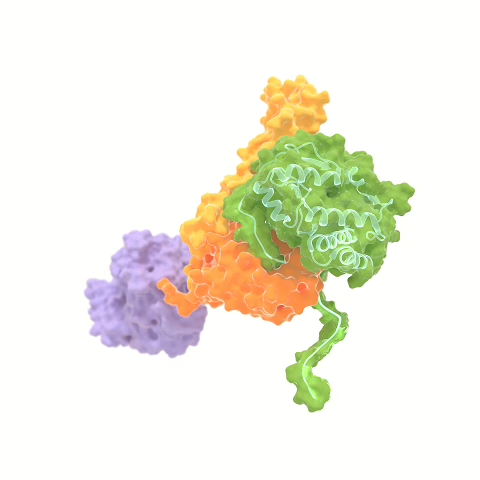
Universeel klemeiwit stabiliseert andere eiwitten
Nieuw inzicht in werkingsmechanisme chaperonne-eiwit Hsp70 Op 26 oktober publiceert Nature een onderzoek dat een decennia oud model voor de werking van een cruciaal eiwit omverwerpt. Onderzoekers van FOM-instituut AMOLF…
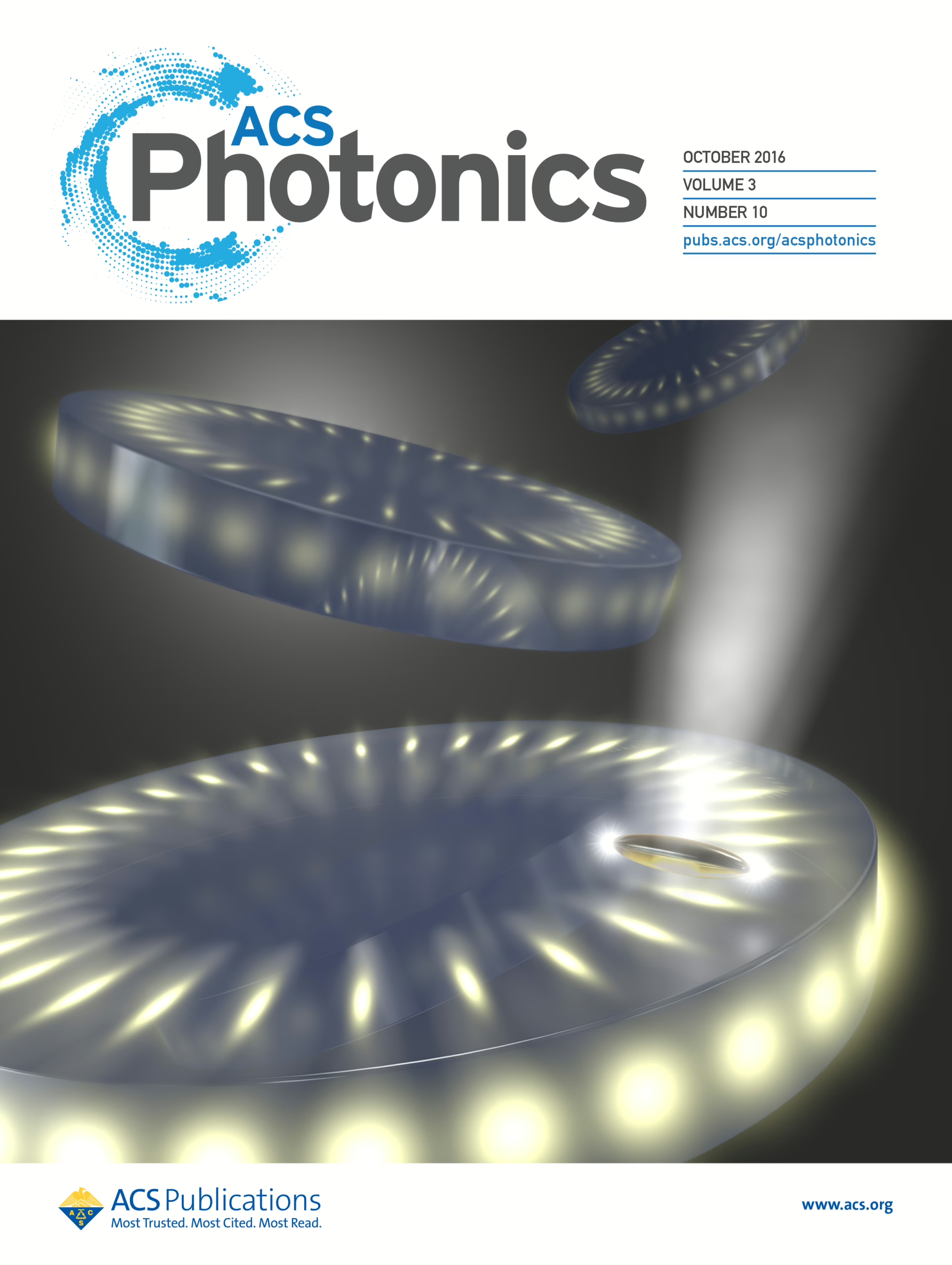
Hybrid structures on the cover of ACS Photonics
Optical cavities or metallic antennas are frequently used to enhance interactions between light and a single quantum emitter. We argue that hybrid systems combining an antenna and a cavity can…
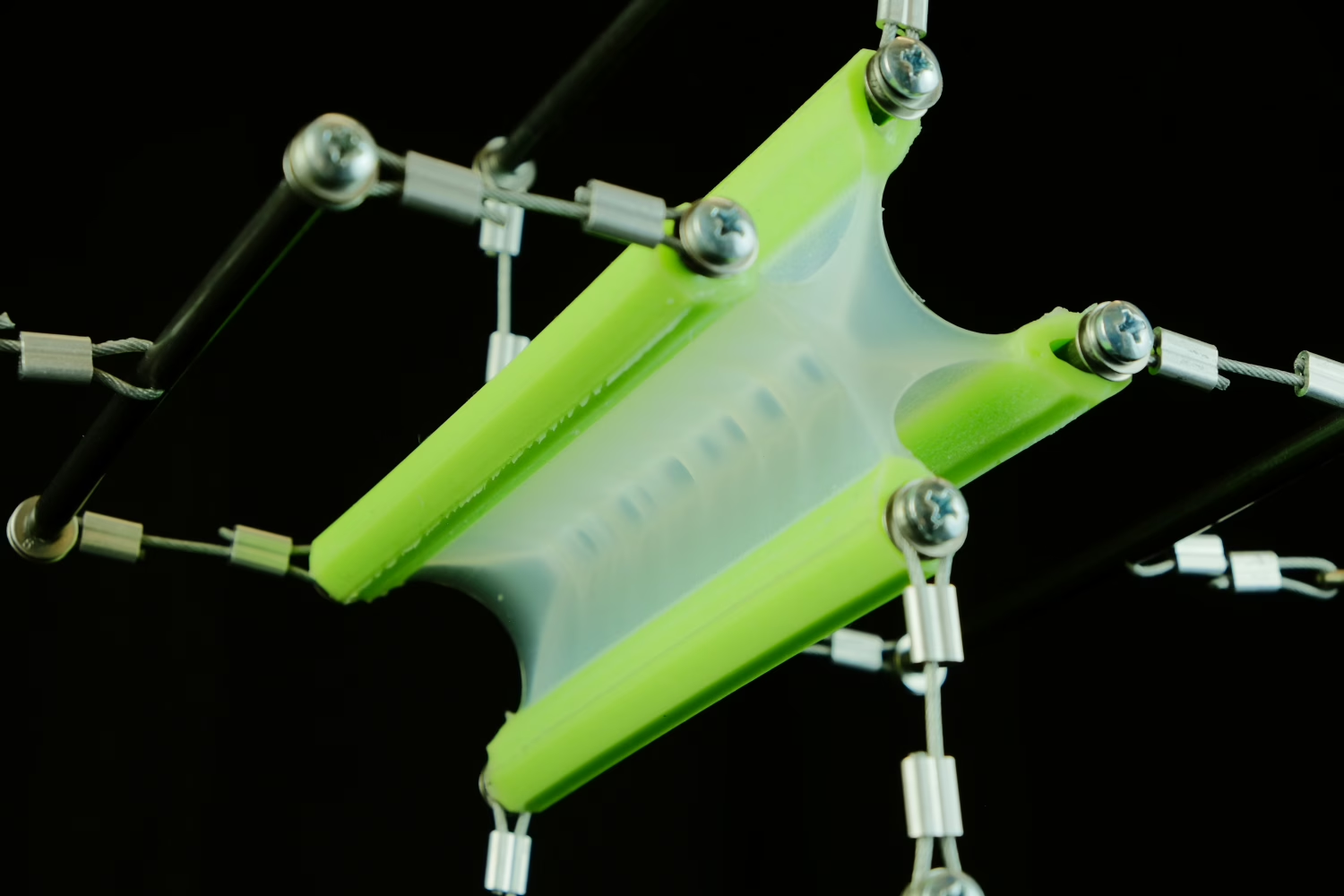
Tension instability flattens thick block
This summer Bas Overvelde started as tenure track group leader at AMOLF. During the first few months in Amsterdam he finished a project with former Harvard colleagues, which they published…
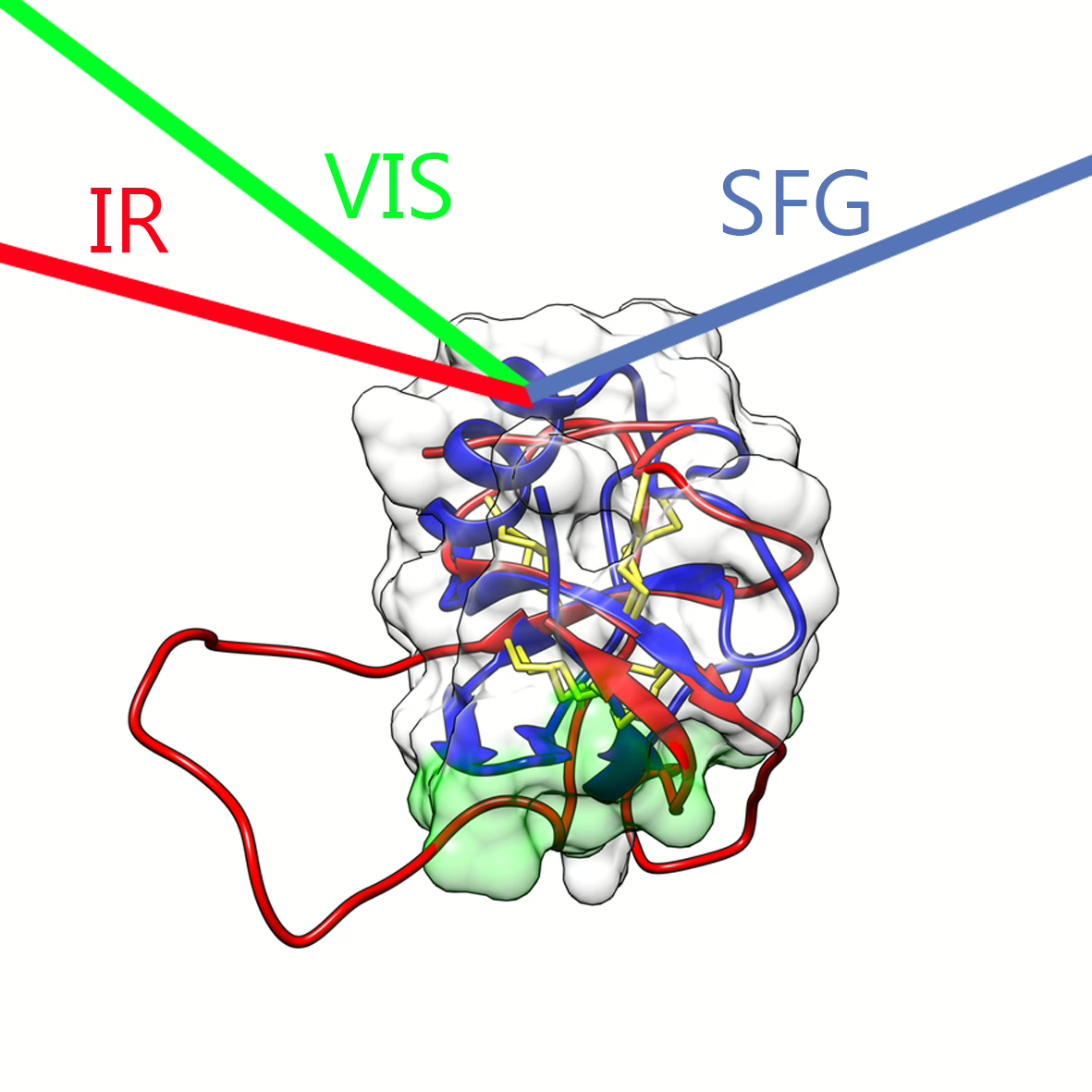
How do hydrophobins work at the water surface?
Hydrophobins are a group of highly surface-active proteins that are produced by fungi. They are known for their unique functions related to interfaces. Hydrophobins largely reduce the surface tension of…
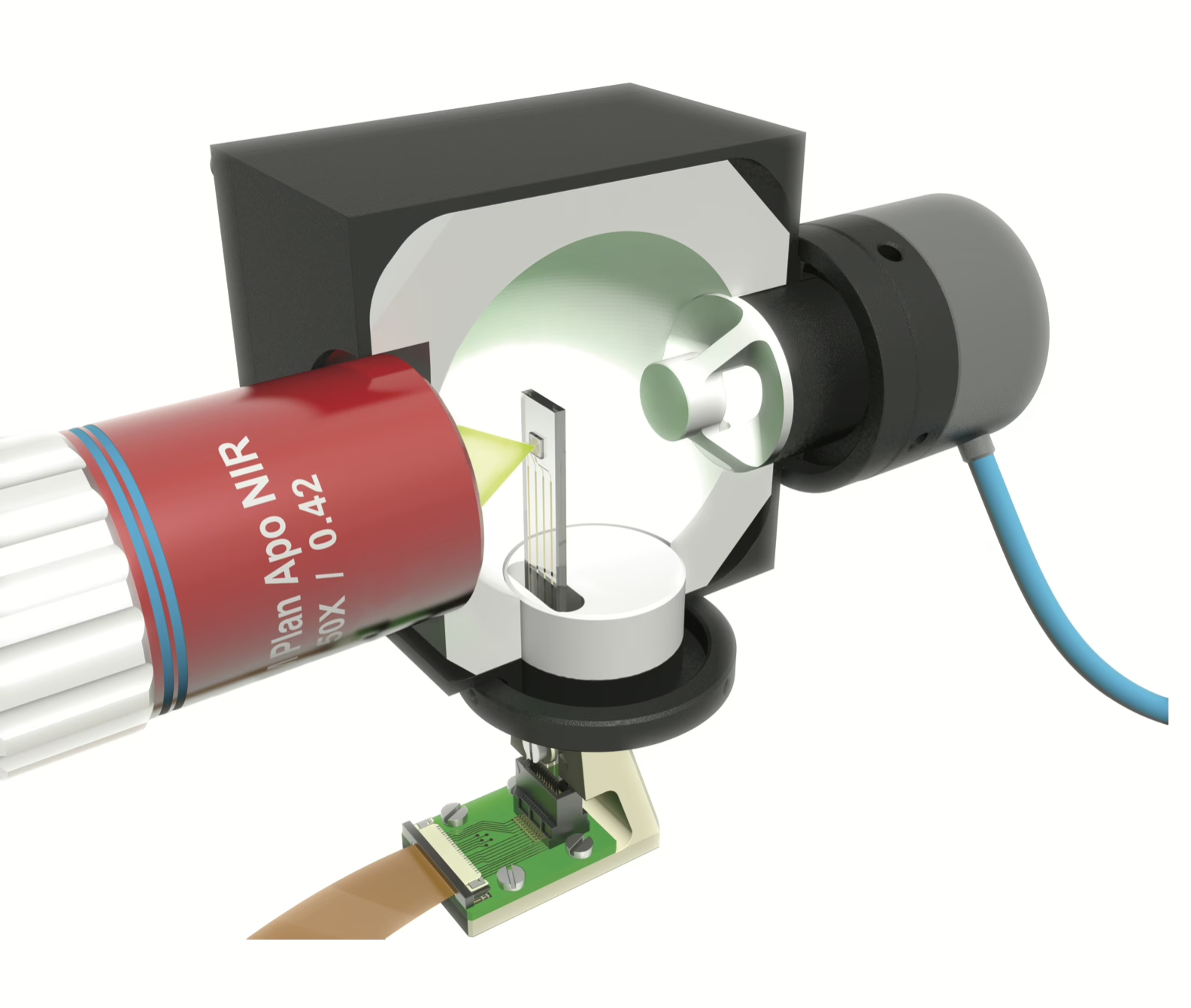
Understanding nanoscale solar cells
A team of researchers from the AMOLF-group Nanoscale Solar Cells and Eindhoven University of Technology have developed both a theory and an experimental method that provide the first detailed demonstration…
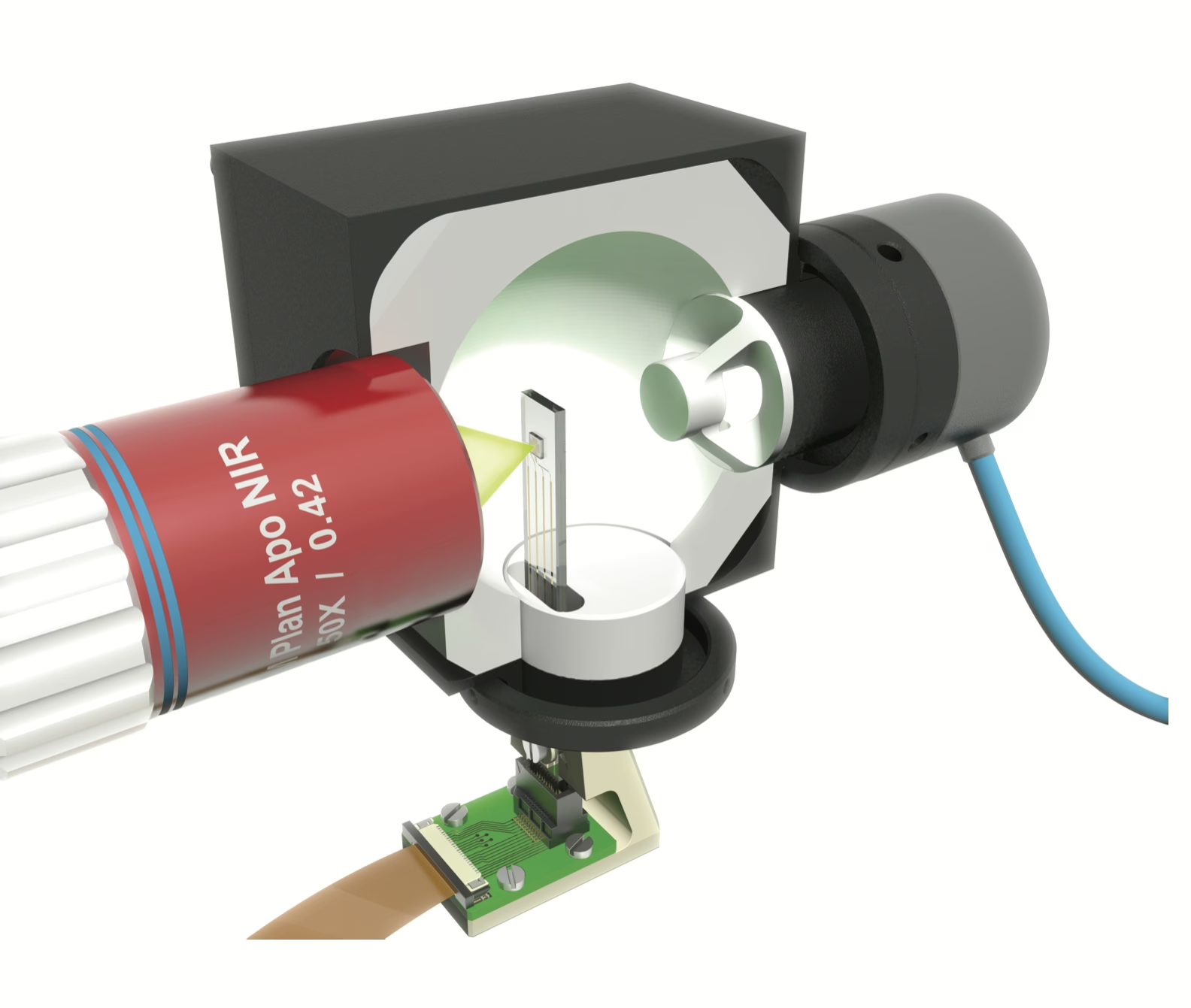
Nanozonnecellen begrijpen
Onderzoekers uit de Nanoscale Solar Cells groep ontwikkelden samen met de Technische Universiteit Eindhoven een theorie plus experimentele methode waarmee zij voor het eerst in detail laten zien hoe een…
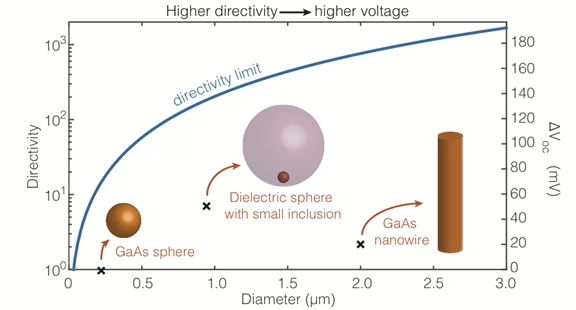
Nanotechnology can improve solar cell efficiencies via directional emission
Researchers from the Nanoscale Solar Cells group at AMOLF together with collaborators from the University of Texas, Austin, and Columbia University, New York, found that nanostructures can enable efficiencies above…
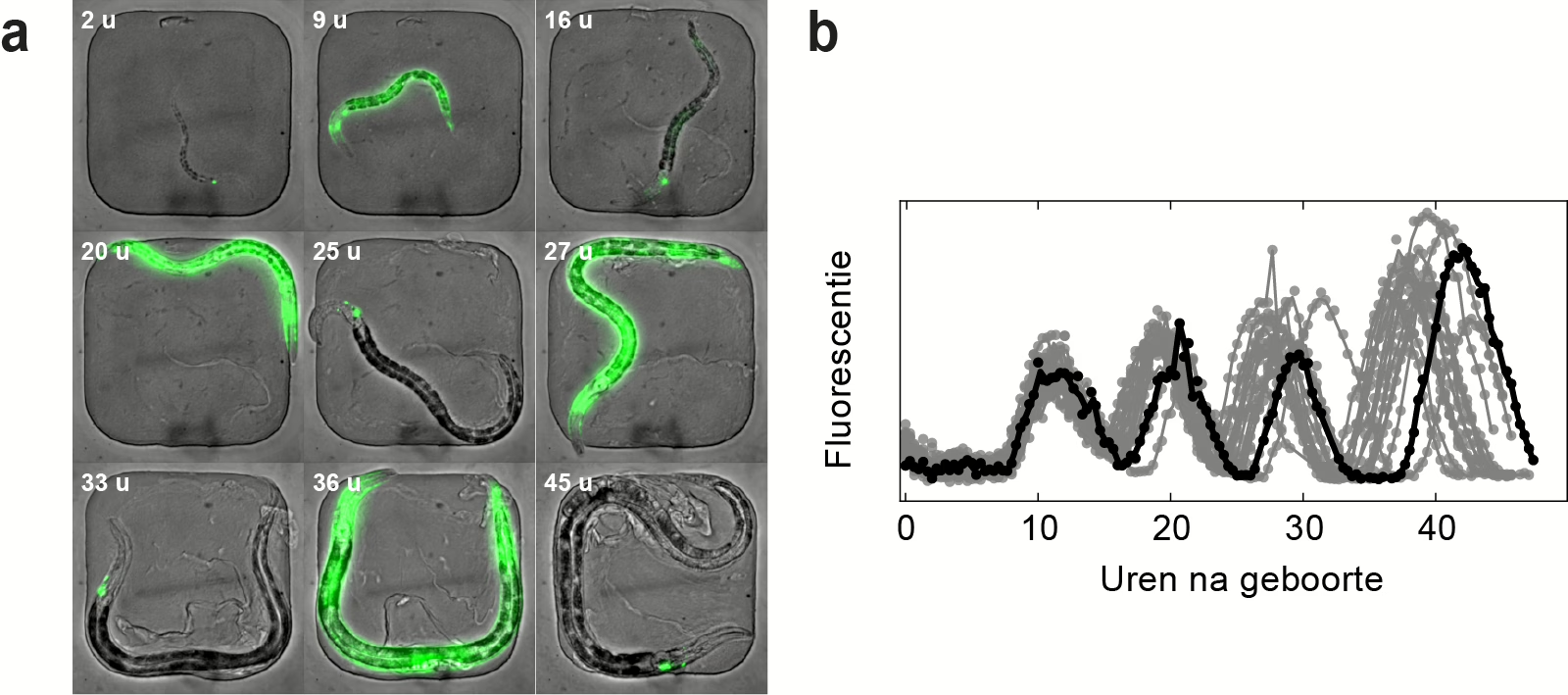
Premiere: watch the development of a larva into an adult worm live
Researchers from FOM institute AMOLF have developed a microscopy technique for the live tracking of development in the individual cells of a growing, eating and moving organism, the nematode worm…