
News & updates
Latest developments from our institute
Stay informed about new research results, awards, events, and collaborations across our scientific community.
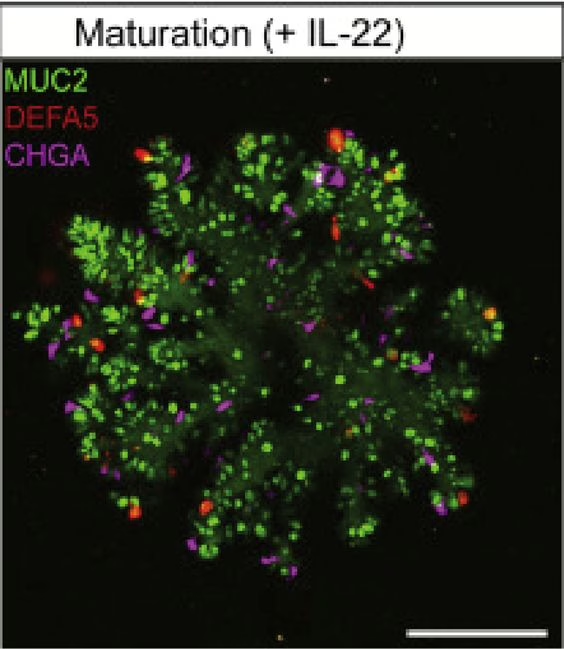
Optimization of human small intestinal organoids
Collaborating scientists have improved human small intestinal organoids – miniature versions of the small intestine. This will help them to better study the functioning of the small intestine. The scientists…
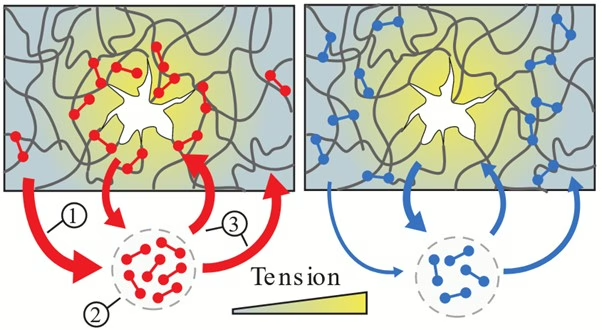
Cells: strong at the right place and time
Researchers from TU Delft and AMOLF discovered how certain molecular bonds make living cells both flexible, in order to move, as well as strong, in order to withstand forces. Paradoxically,…
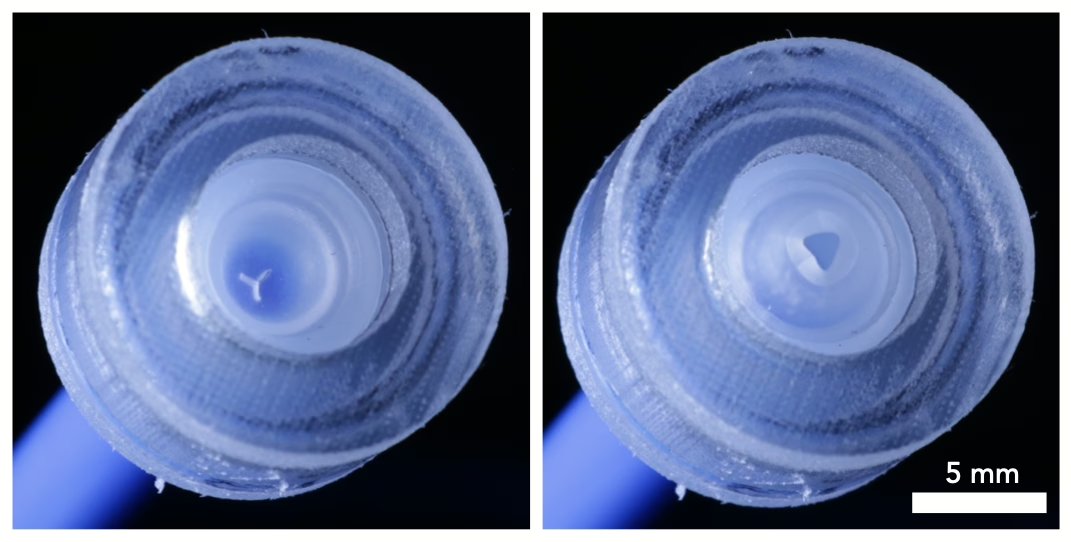
Responsive soft robots inspired by sputtering ketchup bottle
A smartly designed pressure valve allows soft robots to respond to their environment without the need for computer control, reveal AMOLF researchers in their article in the journal Matter. That…
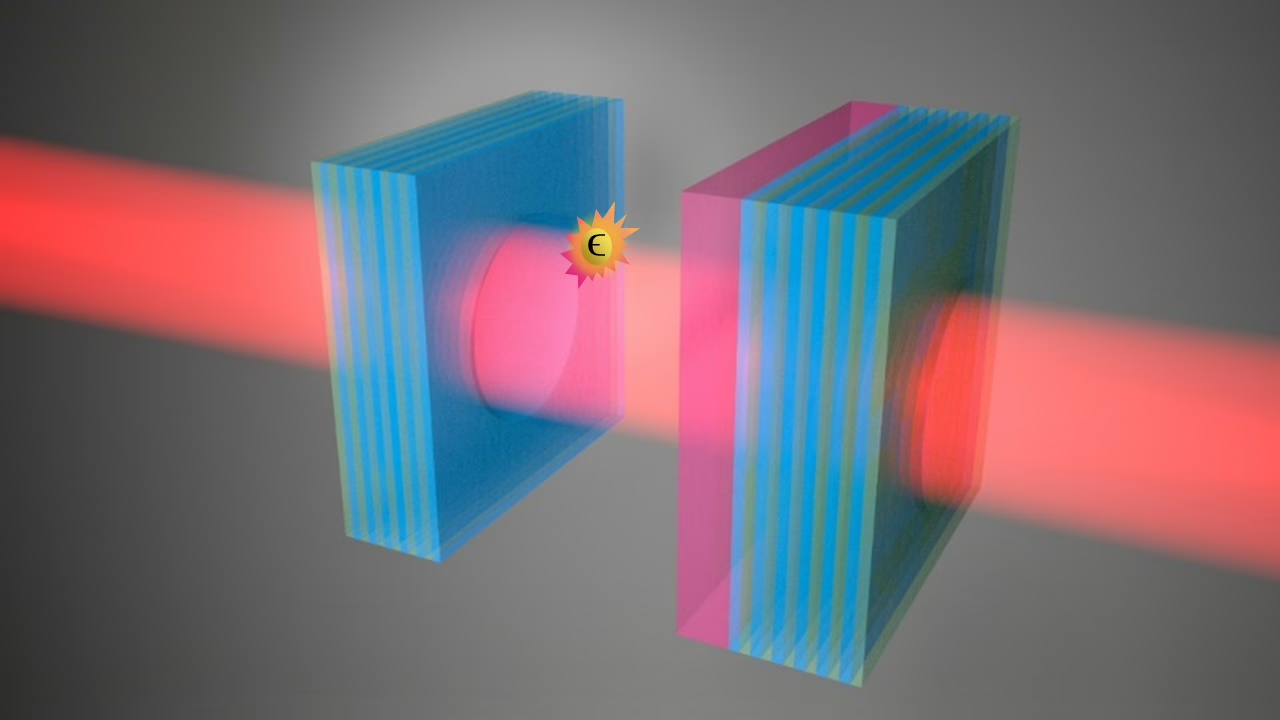
Getting more information by measuring faster and averaging less
A nonlinear optical sensor outperforms the best possible linear sensor. The figure shows an optical cavity, formed by two mirrors (blue & green multilayers) facing each…
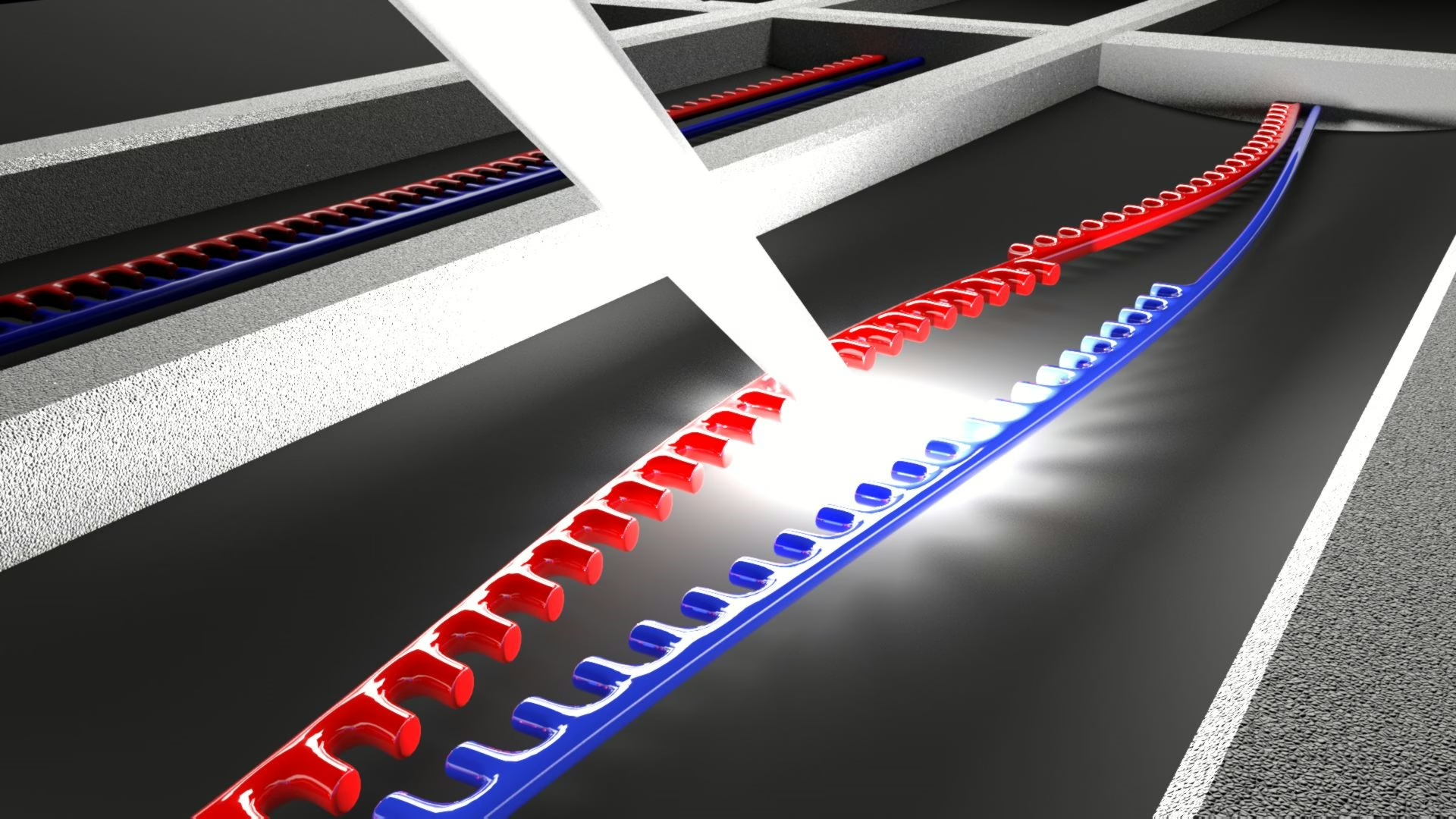
Discovery of new mechanisms to control the flow of sound
Using a network of vibrating nano-strings controlled with light, researchers from AMOLF have made sound waves move in a specific irreversible direction and attenuated or amplified the waves in a…
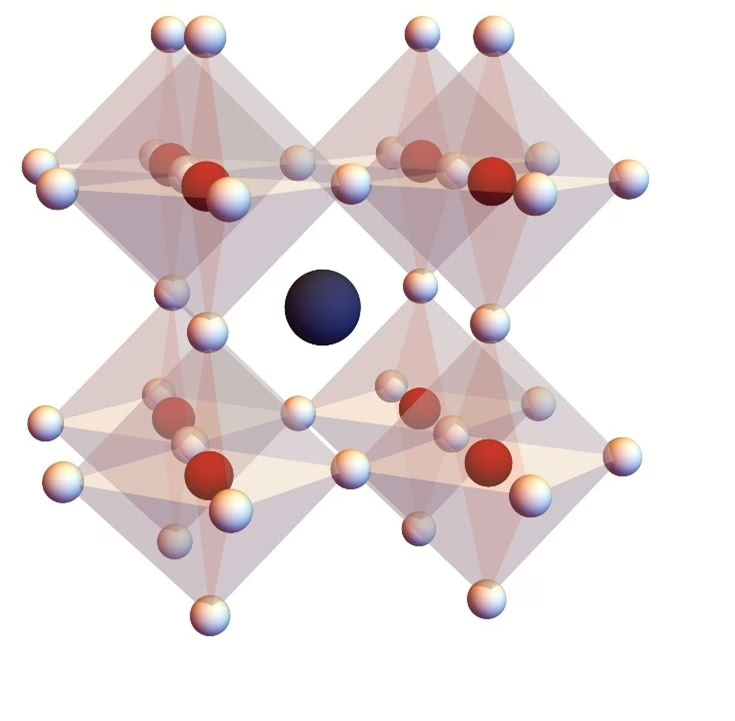
Open Technology Programme (OTP) funding
Crystal structure of the perovskite material. Source: AMOLF In the Open Technology Programme (OTP) call for proposals of NWO, Bruno Ehrler and Erik Garnett have received…
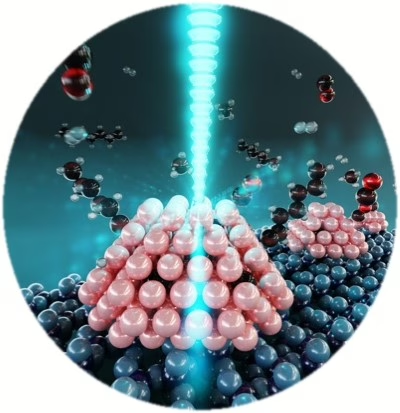
Light-Catalyst Interactions to Sense and Steer Chemical Reactions
Credit: Thomas Hartman (Weckhuysen group at Utrecht University) AMOLF and Utrecht University have been awarded a 1.9 million euro research project by the Dutch Research Council…
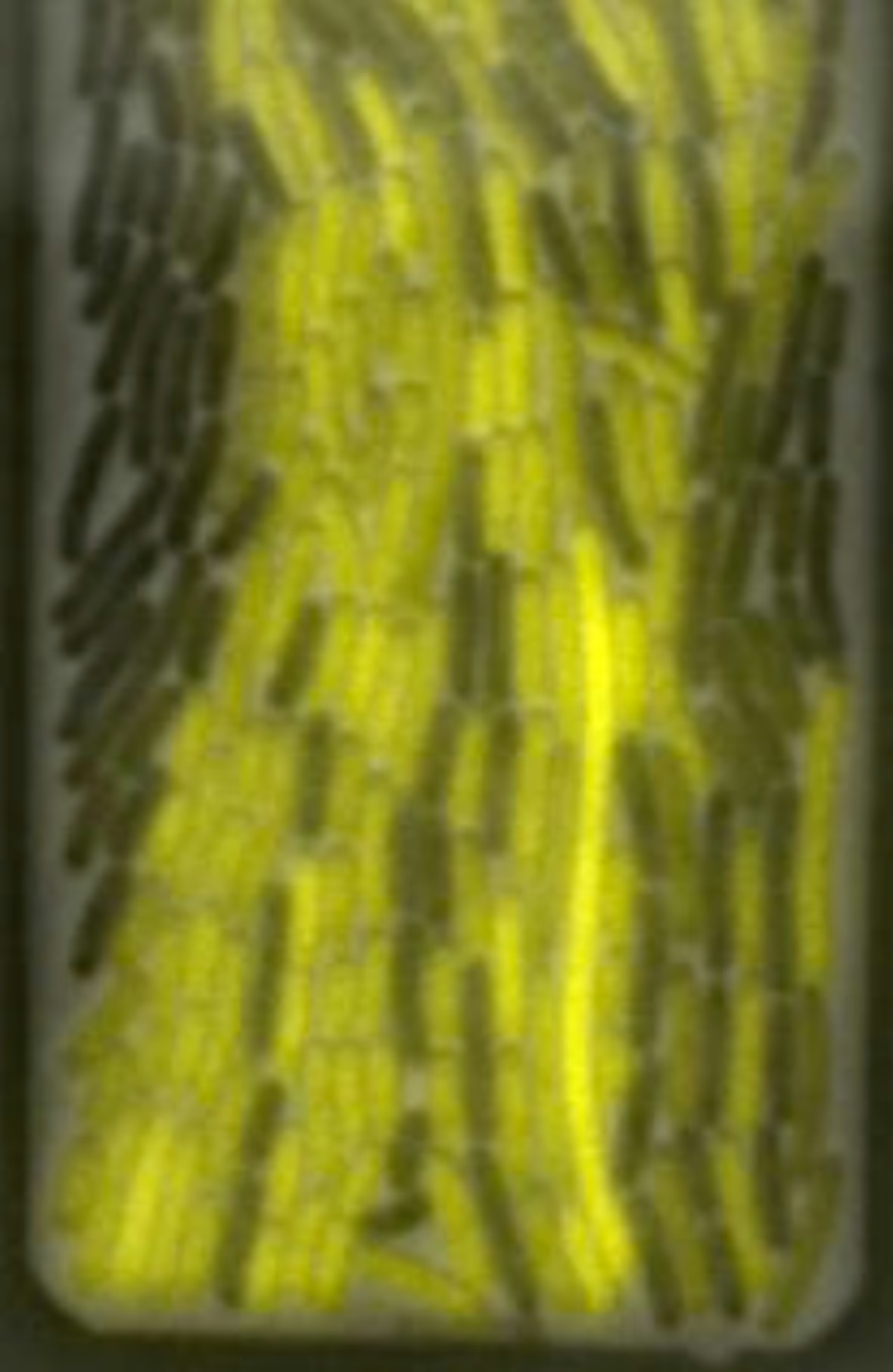
First study of CRISPR-Cas defense in individual cells shows remarkable variability
Specialists in single cell dynamics of research institute AMOLF together with CRISPR-Cas researchers of TU Delft were able to measure for the first time how quickly a single cell can…