
News & updates
Latest developments from our institute
Stay informed about new research results, awards, events, and collaborations across our scientific community.
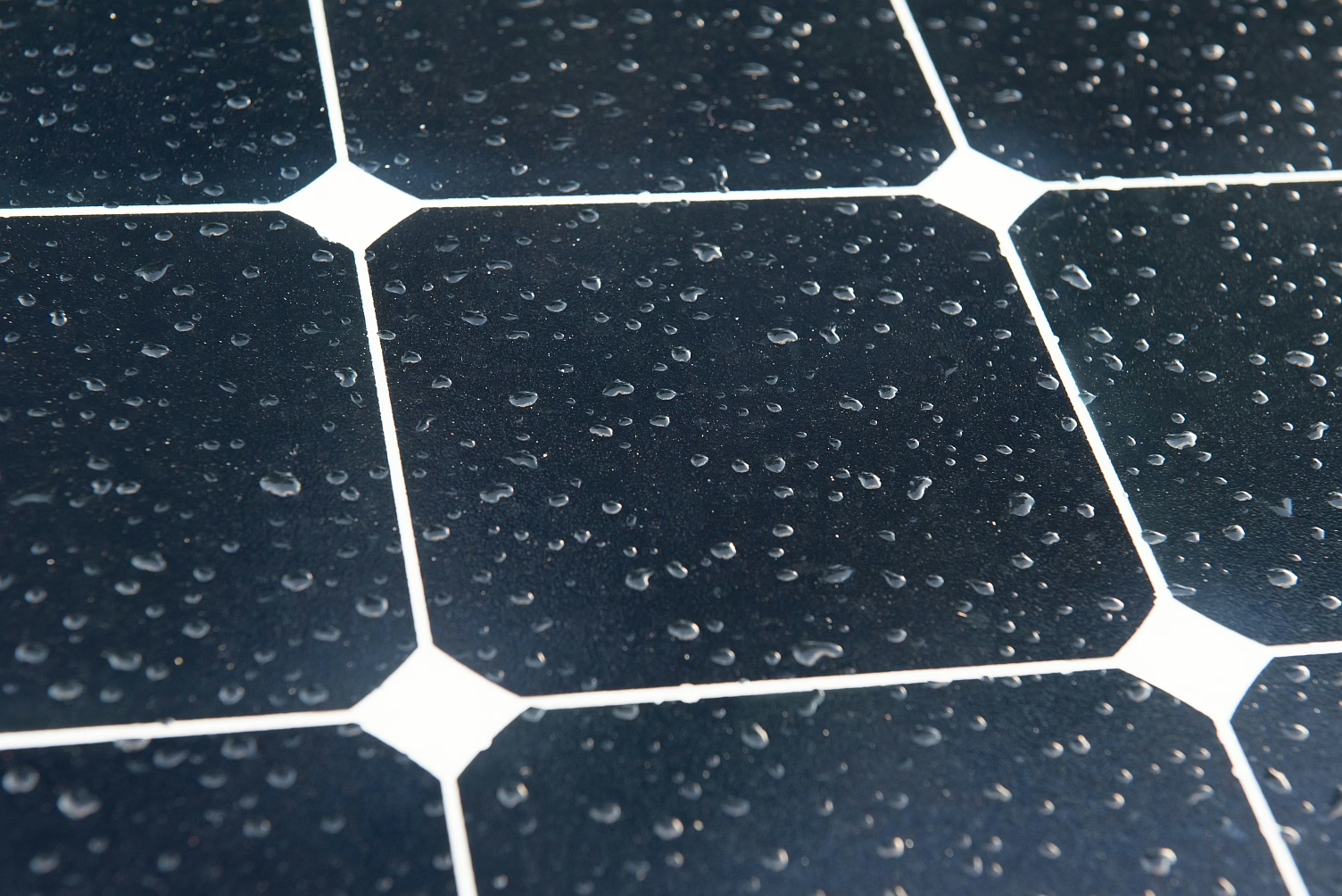
Newest solar cells underperform in cloudy countries
To determine how efficient new solar cells convert sunlight into electricity, small sample cells are tested under ideal conditions. However, the reported efficiency is not very representative of the actual…
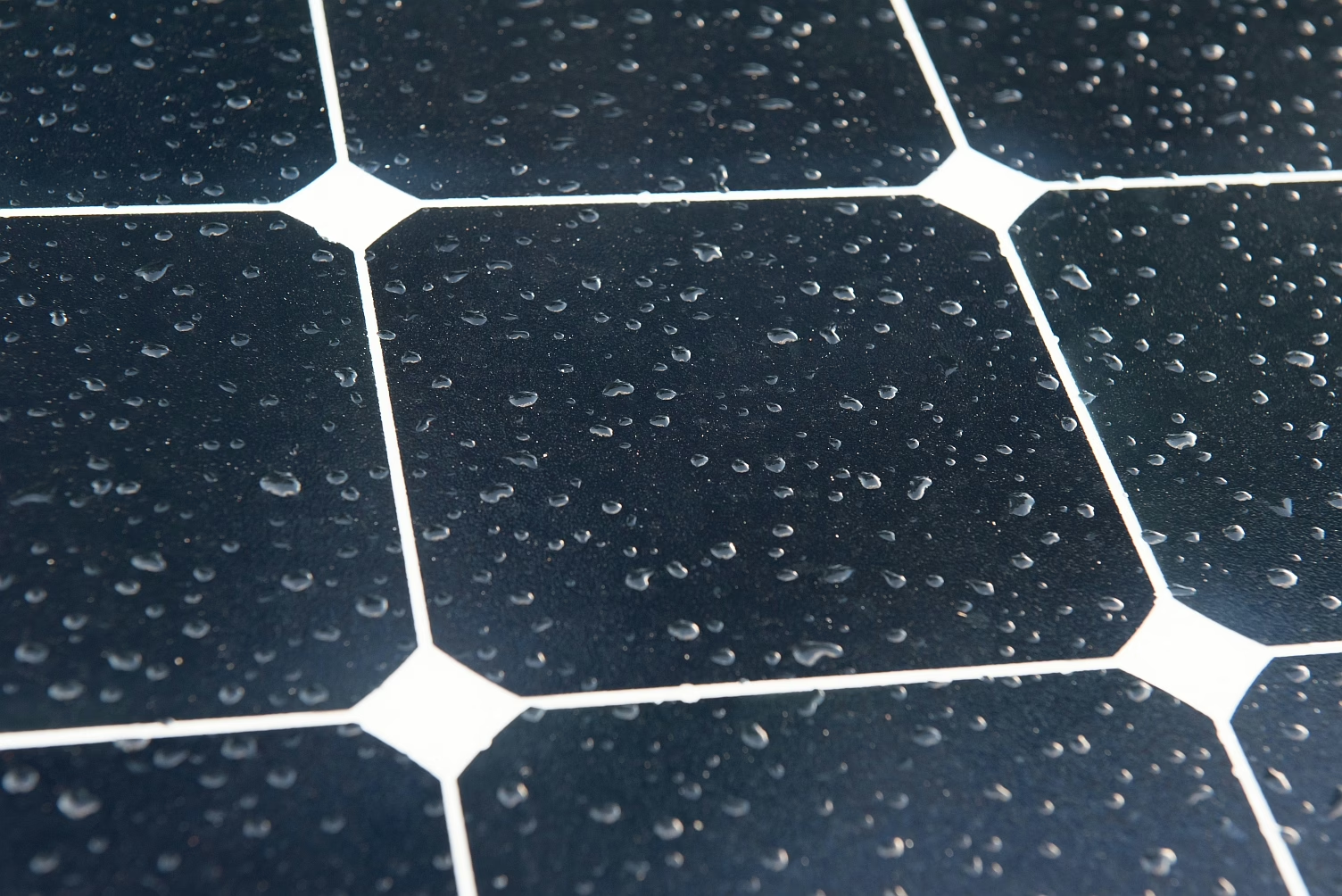
Nieuw type zonnecellen maakt beloftes nog niet waar in bewolkt Nederland
Nieuwe types zonnecellen worden doorgaans getest onder ideale weersomstandigheden. Maar zulke testresultaten zijn niet representatief voor de daadwerkelijke opbrengst van zonnecellen op de Nederlandse daken, die zijn blootgesteld aan wolken…
Nanoparticles give solar panels a green color
Green silicon solar minimodule (0,7 x 0,7 cm2) Researchers from AMOLF, the University of Amsterdam (UvA) and the Energy Research Centre of the Netherlands (ECN) have…
Nanodeeltjes kleuren zonnepanelen groen
Groene silicium mini zonnemodule (0,7 x 0,7 cm2) Onderzoekers van AMOLF, de Universiteit van Amsterdam en het Energieonderzoekcentrum Nederland (ECN) hebben een technologie ontwikkeld waarmee een zonnepaneel van…
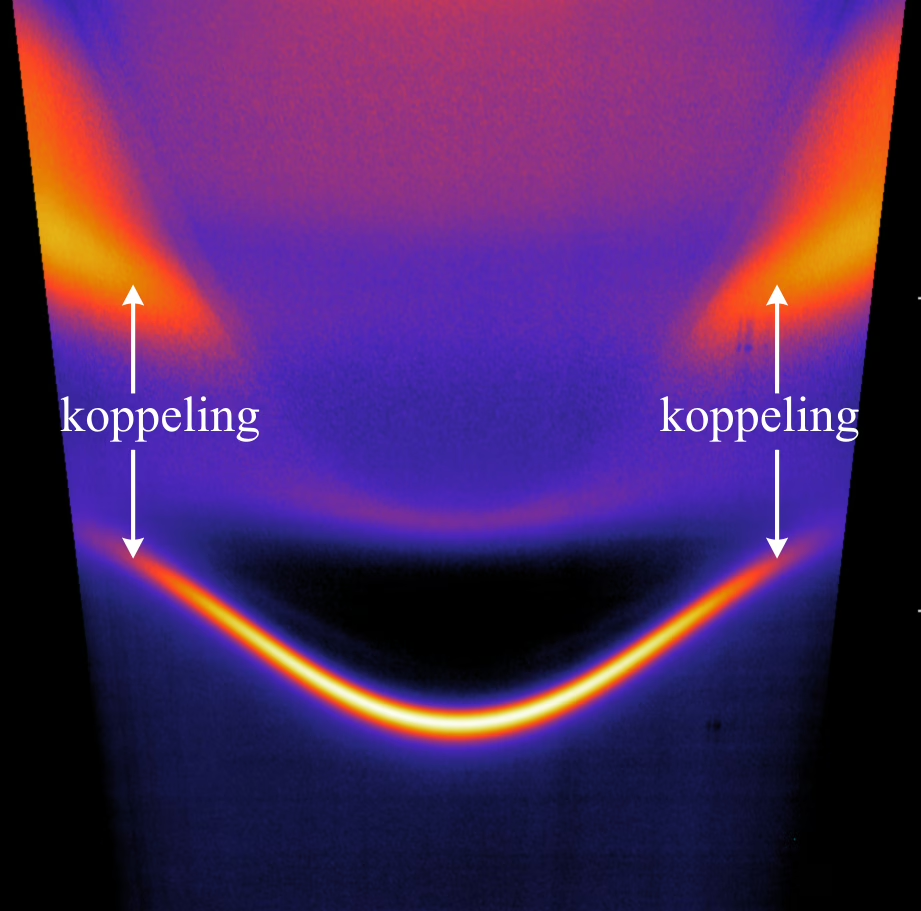
Said Rodriguez starts new group on Interacting Photons
As of November 1st, Said Rodriguez will be appointed as AMOLF tenure track group leader. Rodriguez will start a new group on Interacting Photons in the Nanophotonics research theme. In…
Veni grants for Bas Overvelde and Cristina Martinez Torres
The Netherlands Organisation for Scientific Research (NWO) awarded Veni grants to AMOLF group leader Bas Overvelde (Soft Robotic Matter) and postdoc Cristina Martinez Torres (Biological Soft Matter). [caption id="" align="alignleft"…
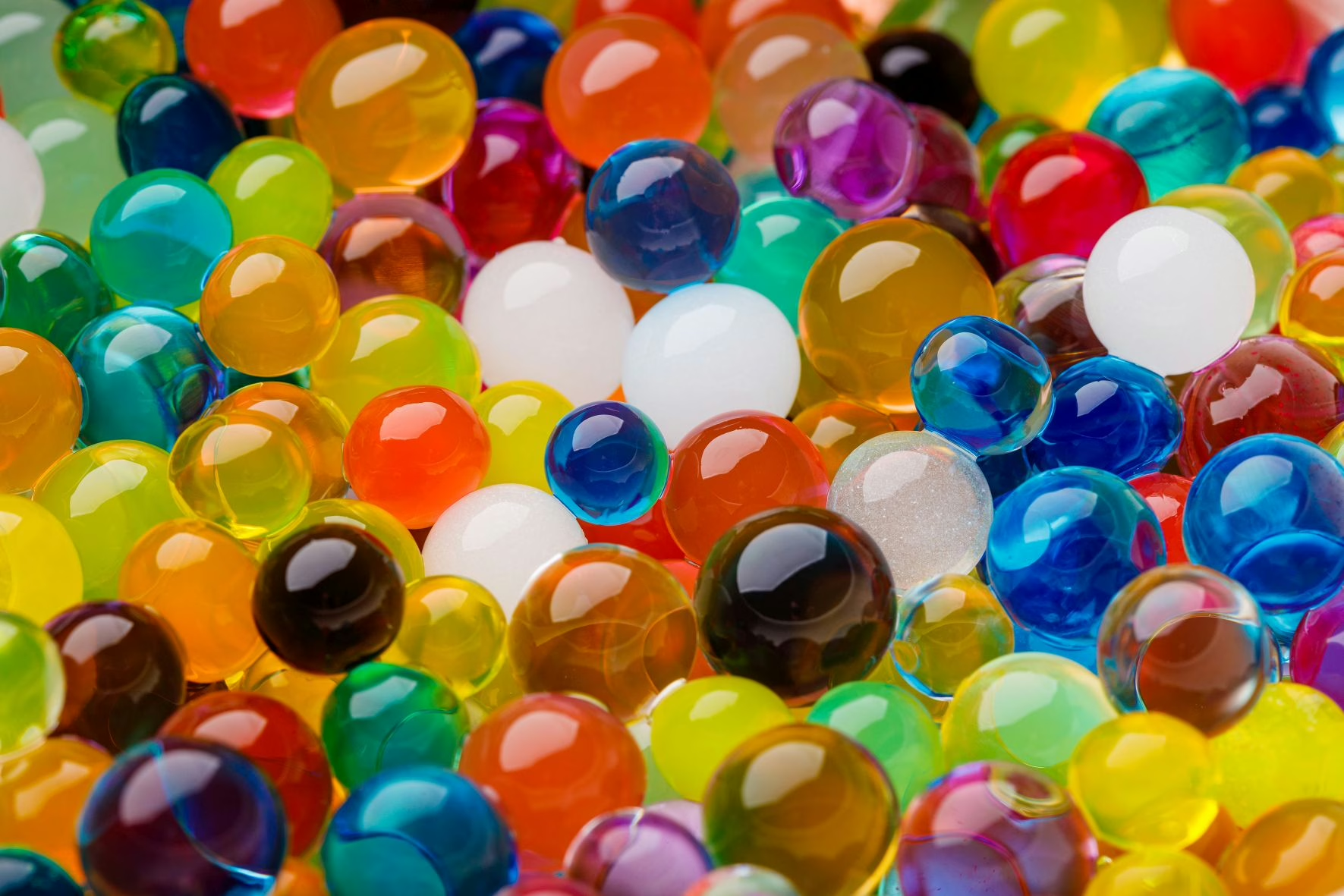
The reason why small balls on a hot plate bounce and scream
Water droplets float in a hot pan because of the so-called Leidenfrost effect. Now physicists from AMOLF and Leiden University have discovered a variation: the Elastic Leidenfrost effect. It explains…
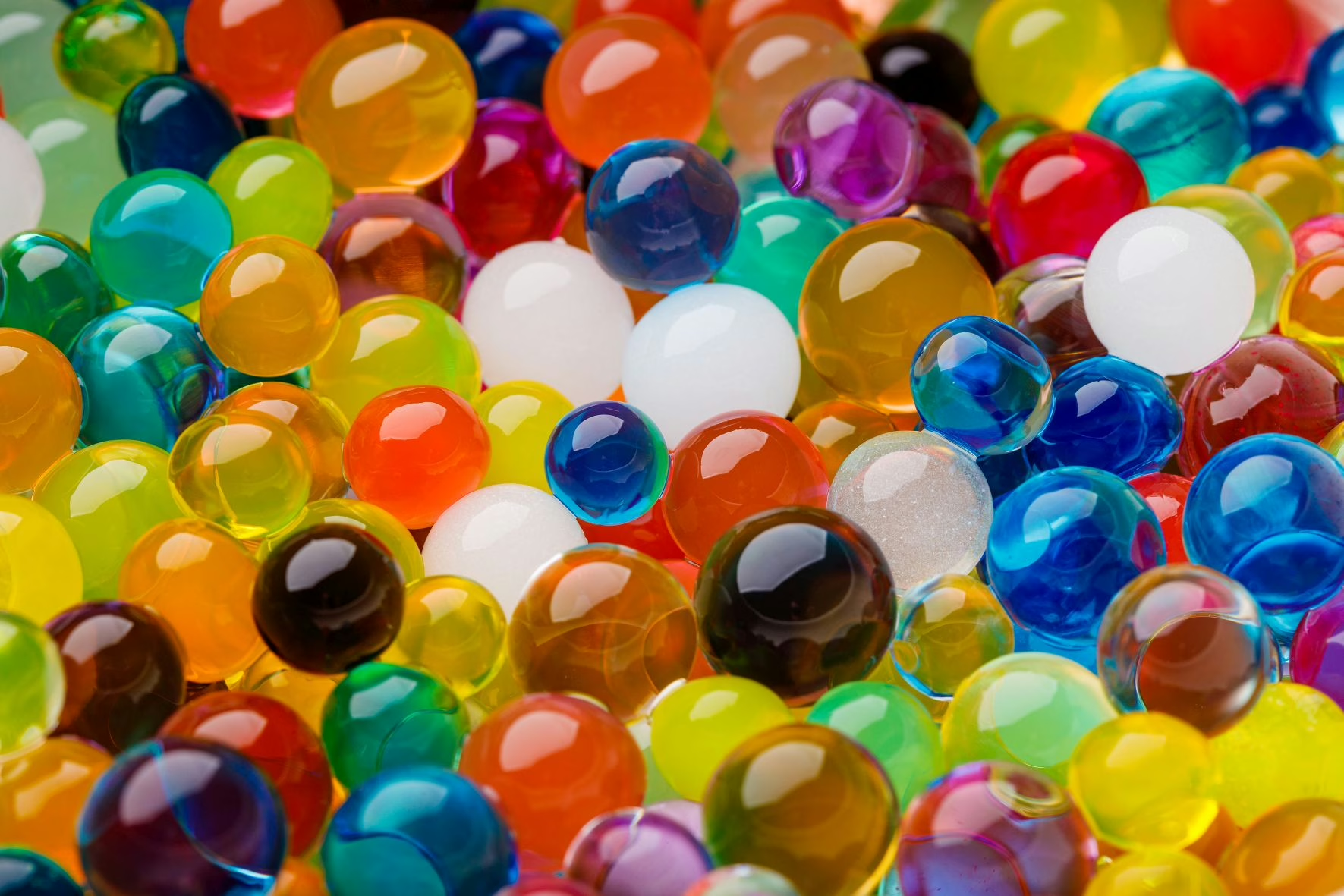
Waarom balletjes op een hete plaat piepen en springen
Waterdruppels zweven in een hete pan vanwege het zogenoemde Leidenfrost-effect. Nu hebben natuurkundigen van AMOLF en Universiteit Leiden een variatie ontdekt: het Elastische Leidenfrost-effect. Het verklaart waarom zogeheten hydrogel balletjes…