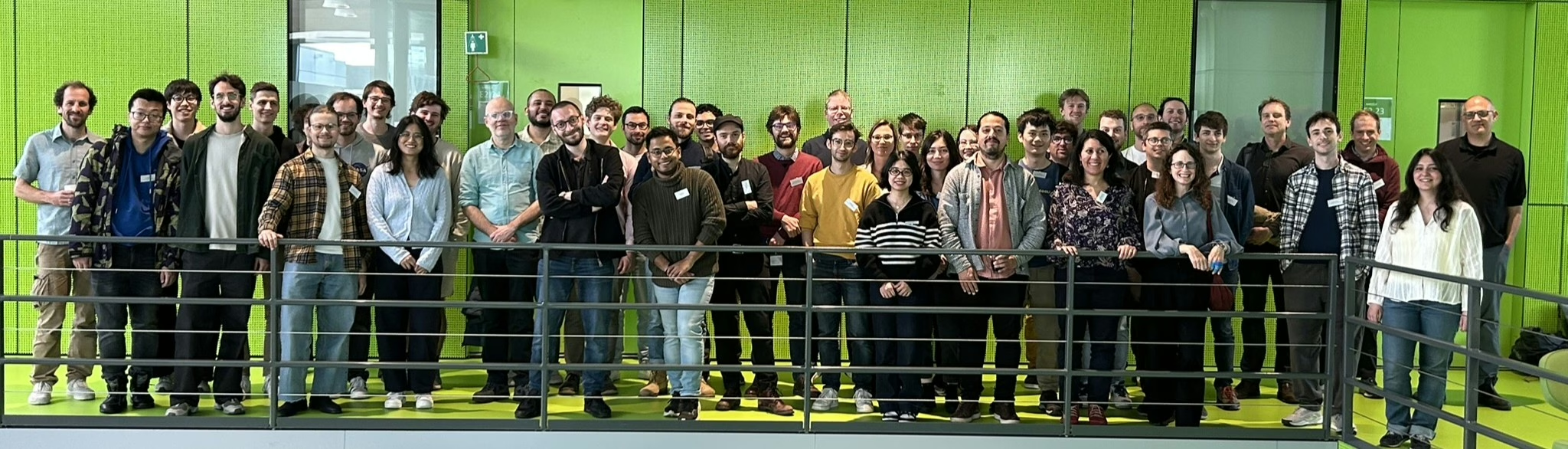
On April 16 and 17, AMOLF organized the first ‘Multistable Active Matter’ symposium. The initiative for this new symposium came from Martin van Hecke (Mechanical Metamaterials), with the aim of starting a discussion about a new direction in the field: the design and understanding of multistable active systems.
Active matter and multistable systems
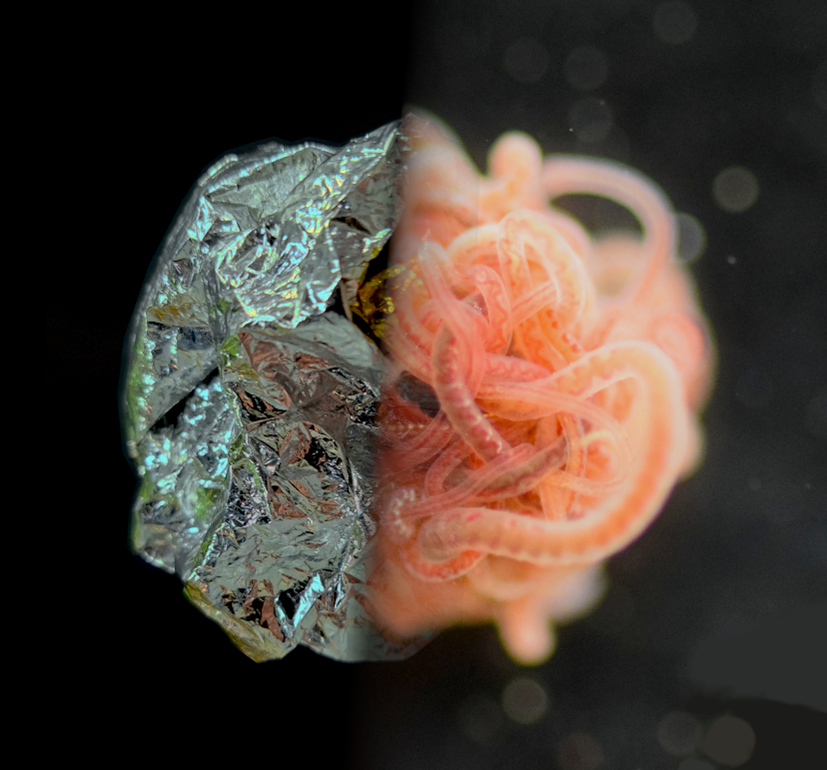
Active matter refers to systems composed of microscopic units that are capable of consuming energy and generating motion. Examples are flocks of birds, pedestrian crowds and living tissues. All these systems exhibit striking collective behaviors that emerge at large scales.
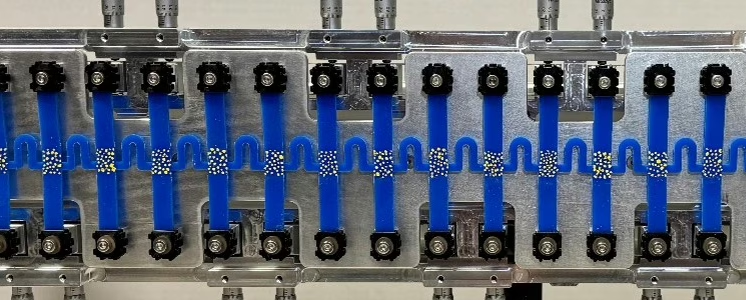
Multistable systems can exist in multiple distinct stable states and transition between them when driven by external stimuli. This capacity for switching behavior is a hallmark of complex systems across disciplines, appearing in contexts ranging from crumpled paper and mechanical materials to robotic collectives.
Bridging ideas
By bridging together these ideas, multistable active systems offer a powerful framework for advancing our understanding of living systems and for engineering the next generation of adaptive, multifunctional materials.
When all visitors had left, postdoctoral researcher Paul Baconnier (Mechanical Metamaterials) reflected and concluded: “This was a remarkably active meeting. The informal, small-scale setting created the perfect environment for deep discussions and the exchange of fresh ideas.”
Learn more
- Read more in the AMOLF news item “How disordered materials age and what we can learn from that”.
- Photo credits: AMOLF